
We understand the need before we build
Changes along the way are normal; misunderstanding the problem isn't. We help define what your users really need upfront, so the team always knows what it's building towards.
We help you build the product your users need.
Changes along the way are normal; misunderstanding the problem isn't. We help define what your users really need upfront, so the team always knows what it's building towards.
AI is built into how we work, from research to prototyping to shipping changes in code. Design never falls behind: it moves in sync with the dev team at every step.
New features and client requests get evaluated before they break the experience. Every addition fits with what's already there, so the product feels unified as it keeps evolving.
We combine the speed of AI with the care of good design, so every flow and screen feels intuitive and easy to use.
Before anything gets built, we work with you to understand what you want to achieve and who you're building for. Then we turn your ideas into specs the dev team can work with.
We build and maintain the rules that keep your product consistent as it grows, and translate them into documents the AI can read so everything stays on-pattern.
We figure out how the product works before development starts: how people move through it and what happens when things don't go as planned. The structural work that decides whether a product makes sense.
We design the interfaces people see and use, and build prototypes, often in code, so you can try ideas before deciding what makes it into the product.
Sometimes the fastest way to fix something is to just fix it. We make UX and UI changes directly in code with AI. Less back-and-forth, faster fixes, and the design ends up exactly as intended.
We review what gets built for usability, accessibility and consistency, test complex flows with real users, and track real usage with analytics and feedback tools to decide what to improve next.
AI helps us move fast; caring about who we're building for is what tells us where to go. That's the balance behind every project we work on.
We set the base the team builds on: specs, core flows, design system and documentation, in days, not weeks, thanks to AI. When joining a running project, we audit what's been built and put the missing foundation in place.
During development, we keep quality in check without slowing anyone down. We give fast answers to new UX decisions so work keeps moving, and if something drifts or a critical issue shows up, we flag it and propose a fix before it ships.
We go deeper on complex, ambiguous or high-stakes flows, and on the features that make your product stand out. For those, we explore different approaches, prototype them with AI and test them with real users before committing to one.
Design isn't a phase that happens before development; it runs alongside it. We move between three modes depending on what the project needs.
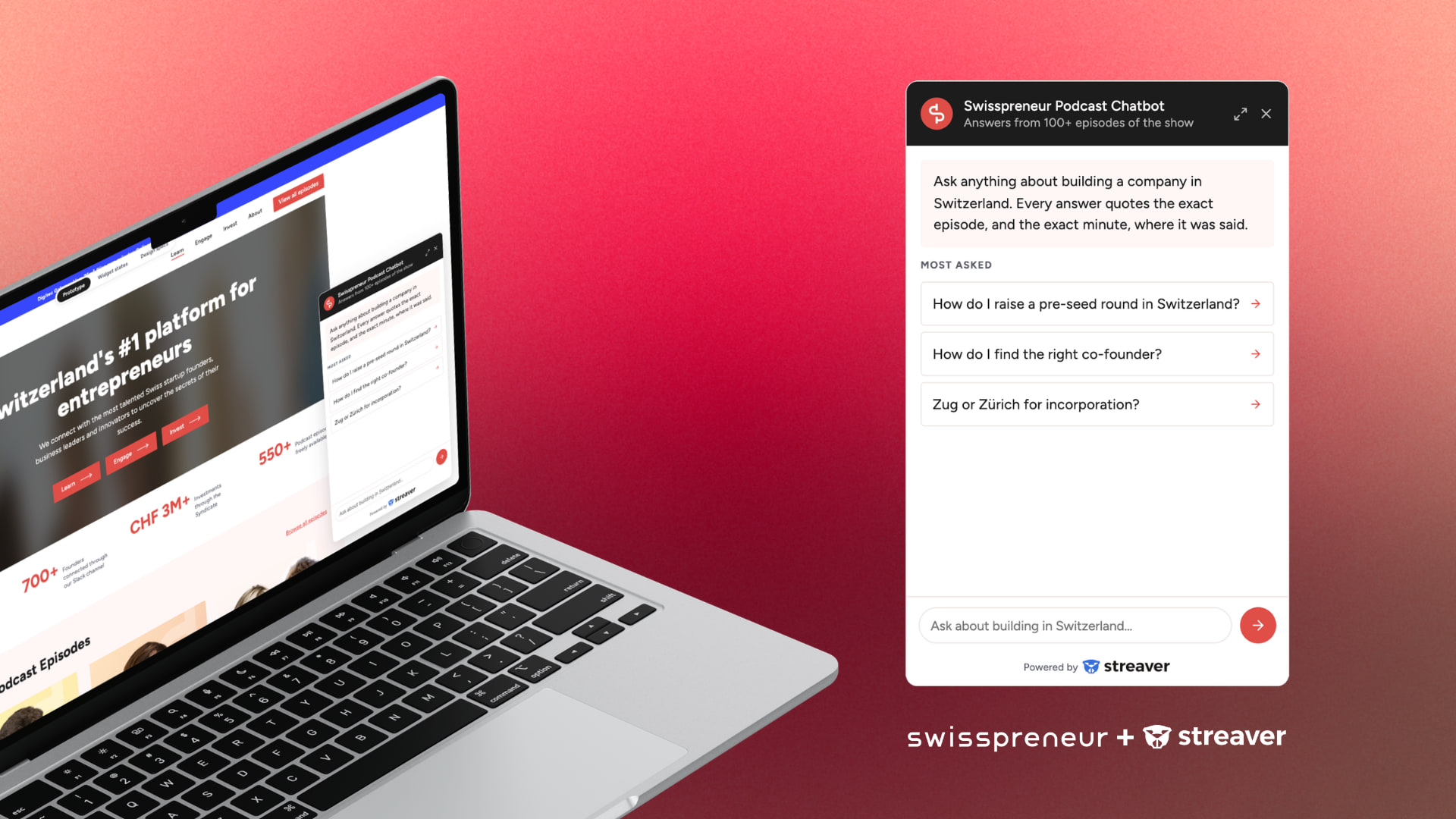
Swisspreneur's founder advice was spread across hundreds of hours of audio, and the right moment was hard to find.
With the dev team, we scoped a widget that answers questions and links each answer to the exact episode and minute. With the help of AI, we built a fully navigable prototype on Swisspreneur's brand with every state designed, so the client could review the real experience before the build started.
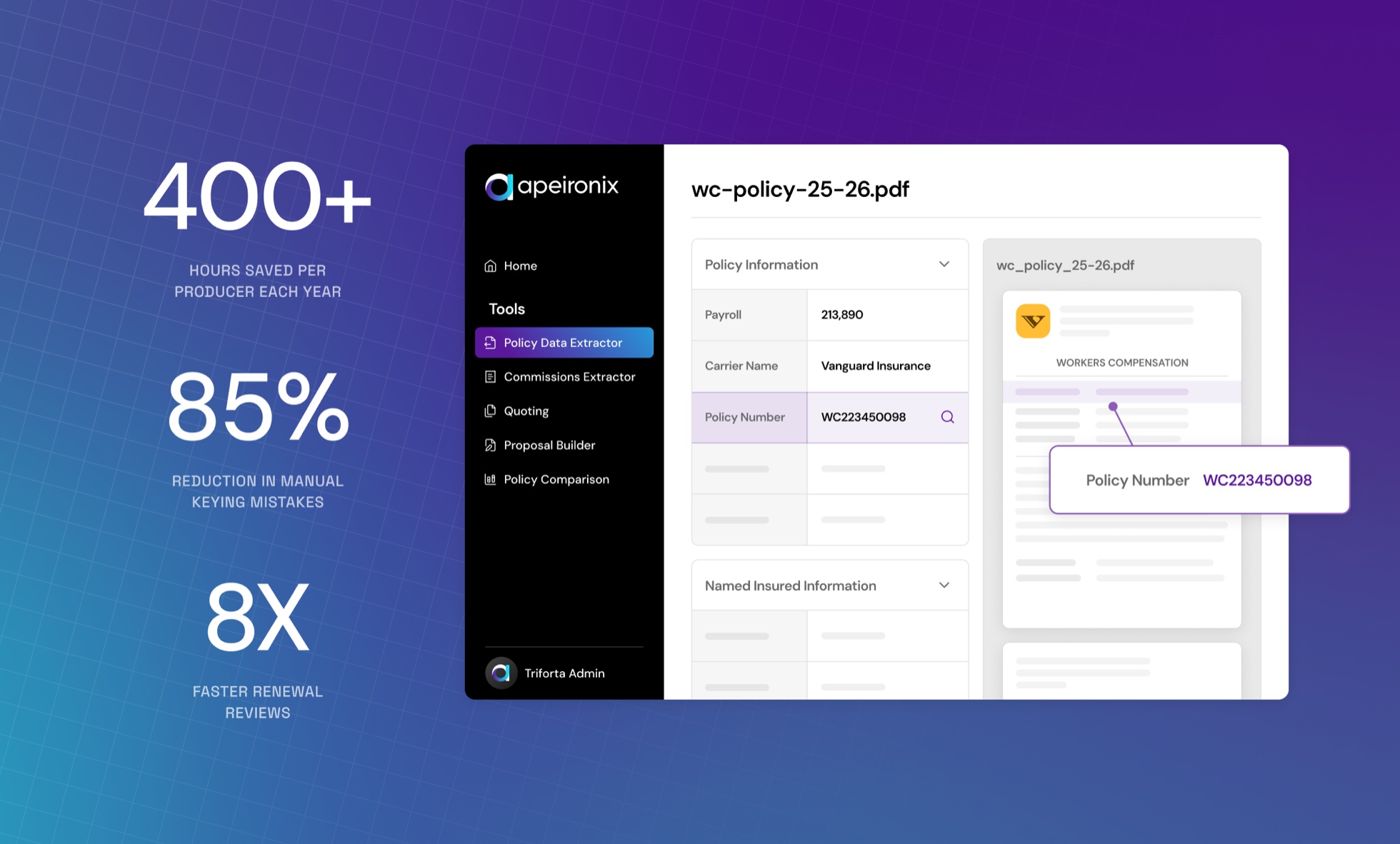
The goal was to turn complex insurance documents into clear information users could get through with minimal effort.
As the client's ideas kept coming, we shaped them, prioritized the roadmap, studied competitors and designed each addition to fit what was already there. Since the client's team used the product daily, we could test with real users and bring their feedback into the experience.
the shift sign you need today
First paying enterprise customers in fourteen weeks

A partnership in two chapters. Independence first, then 2.0.
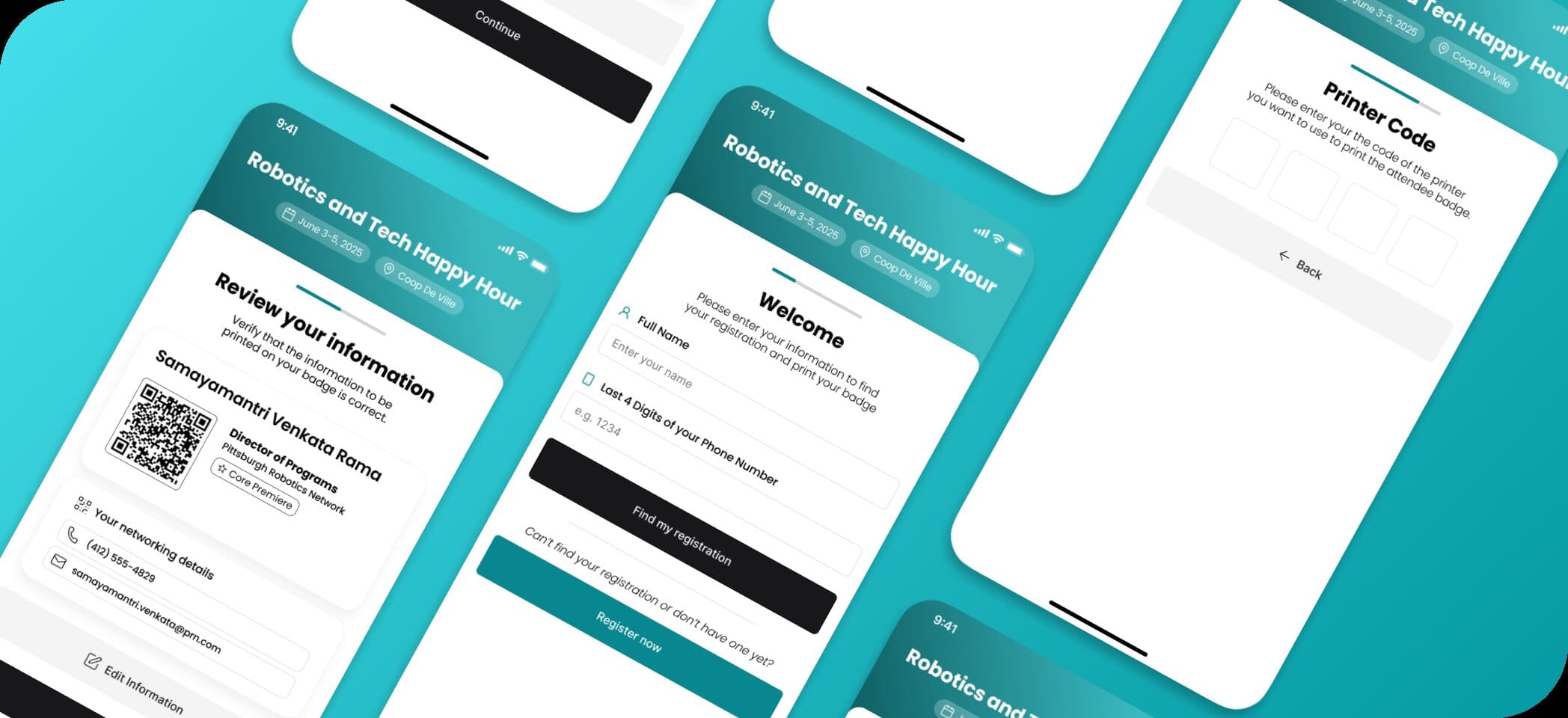
Check-in 80% faster · 30+ staff hours back every event
We answer in plain language, not vendor pitch. If we're not the right fit, we'll tell you that too.
 Let’s talk with Larry