Health · Nonprofit
MANKA
AI on WhatsApp helping rural mothers feed their children
Read the case studyA couple of years ago, a message landed in my LinkedIn inbox. Like most founders, I get cold outreach all the time, and half of it goes straight to the archive. This one didn't. It was from Tech To The Rescue, a nonprofit that matches software companies with NGOs that need them. Curiosity won, we took the call, and that decision quietly changed how I think about what a software company is for.
Since then, we've put our engineers, our AI experience, and a good part of our hearts into Manka, an AI assistant that helps mothers in rural Ecuador feed their children well. Beyond a small cost-recovery arrangement at the start, we gave the work away. And we've just been matched with a second organization to do it again.
This post is the honest version of why — what it cost us, what it did to our team, and why I believe AI has removed the last excuse for software companies not to do the same.
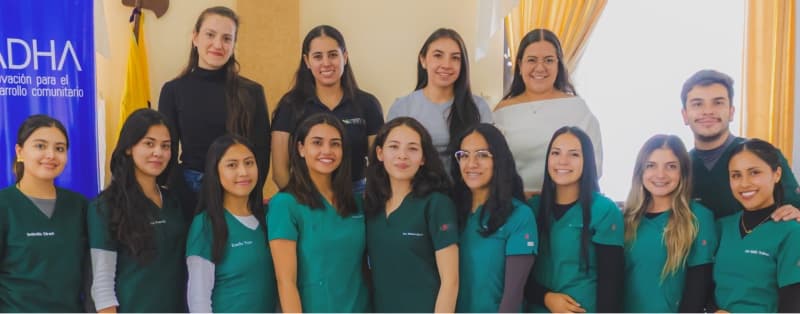
When companies think about supporting a cause, they usually think donations. But when we met Fundación ADHA — the organization behind Manka — a check wasn't what they were missing. They had the mission, the field knowledge, and the trust of the communities they serve. They even had a prototype: a chatbot MVP born at a hackathon.
What they couldn't get was engineering and product judgment. Someone to look at that MVP and know what it would take to make it real — to run in production, to work over WhatsApp on real phones with patchy connectivity, and to end up fully owned and operated by ADHA itself, not by a vendor.
That's the thing about expertise: for organizations like ADHA it's almost impossible to buy, and for a software company it's the one asset we have in abundance. A few months of the right team isn't just "free software." It's a trampoline. It can change how an organization operates, how it sees its problems, and what it believes is possible.
Tech To The Rescue understood this before we did. In a recent conversation with their team, I described them as an oasis in the desert: for NGOs, they make a technical partner appear exactly where there was nothing. For companies like ours, they're a door into work that matters — a bridge between two sides that need each other and would rarely meet on their own.
I won't retell the whole project here — the Manka case study does that properly. The short version: in Ecuador, 1 in 4 children under five suffers chronic malnutrition, often not from lack of food but from lack of guidance. Over a 16-week engagement we took ADHA's hackathon MVP to production as a WhatsApp-native AI assistant, built them a back office, and handed over every credential, repository, and dashboard. ADHA runs Manka on its own today.
What I want to talk about is everything that happened around the build.
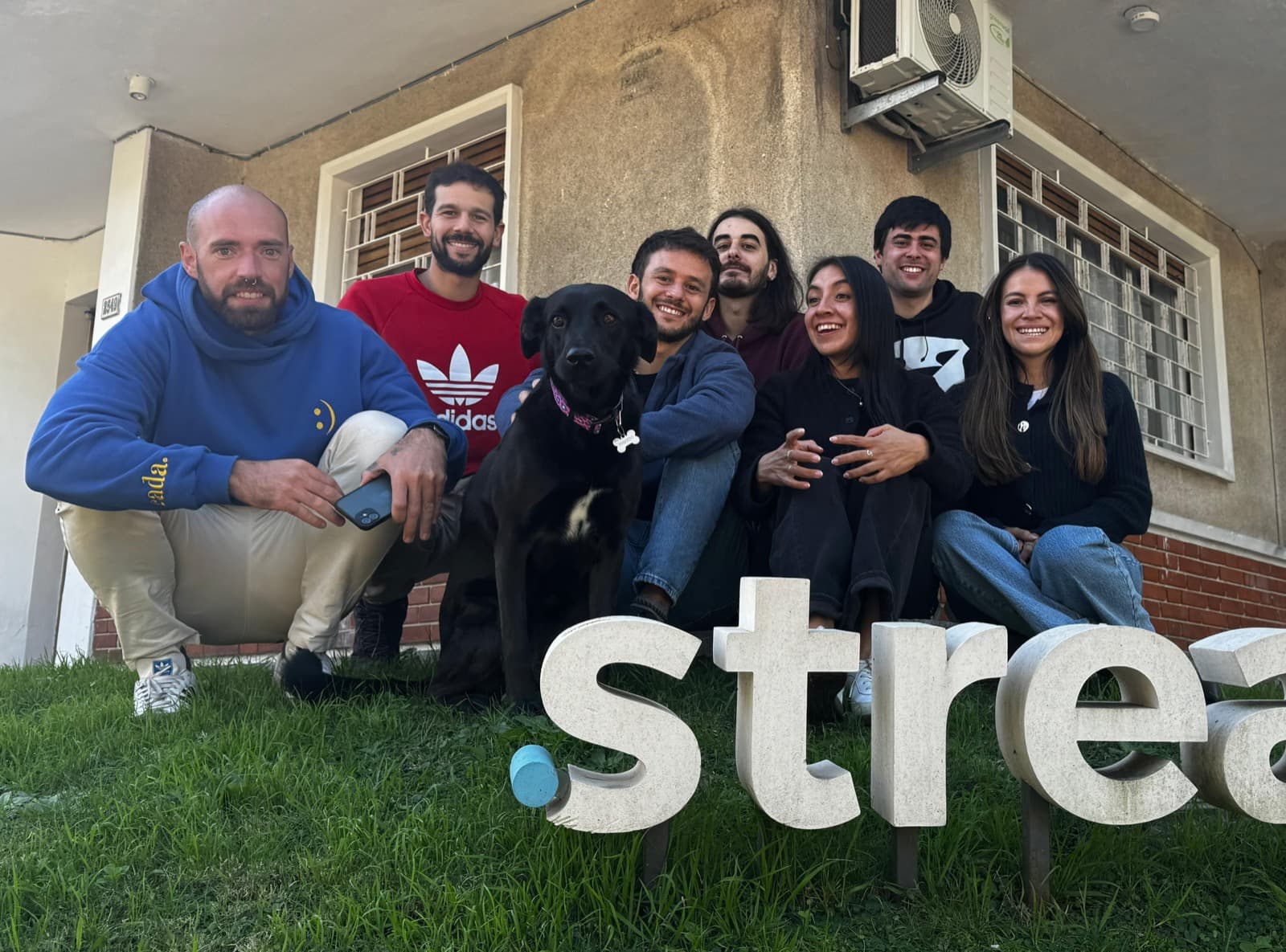
When we announced internally that we'd be building an AI product to help mothers in rural Ecuador fight child malnutrition, the reaction surprised me: everyone wanted in. We had to disappoint people — the project needed a small, focused team, and choosing it was harder than staffing most paid work.
Then the calls started. ADHA's team was working through a drought so severe that some days they had four hours of electricity. They would get up at three in the morning so a video call could happen and the project could keep moving. Our engineers had never seen anything like it. You realize very quickly how much you take for granted — and how much a piece of software you consider routine can mean on the other side of the call.
That kind of experience matures a team in ways no training budget can. Purpose does something to engineers that no process replicates: they stop shipping features and start solving someone's actual problem. It's also, not coincidentally, how we work with paying clients — mission alignment instead of management layers.
To this day, when a Tech To The Rescue project comes up at Streaver, everyone perks up and wants to know what it's about.
Giving expertise away has a real cost, and I'd be lying if I said everyone cheered from day one.
The hardest conversations I had were with our own VP of Engineering — and he was right to push. We're a services company; deploying engineers onto non-billable work runs directly against revenue, and his job is to keep us in the green. We debated how to keep the budget from slipping, and we landed on a combination: part of the team came from the bench, part from a careful rotation off billable projects. When the project's cloud credits got stuck in bureaucracy, we covered the AI tooling ourselves for a stretch, because the thing had to ship.
I share this because most "companies should do pro bono!" advice skips it. The tension between purpose and payroll is real. Plan for it — don't pretend it isn't there. In our case the discussion resolved the way discussions at Streaver usually do: quickly and amicably, with an agreement to experiment and watch the numbers. Looking back, the whole company is glad we did it — including the people who pushed back.
We went in expecting nothing back. That mindset matters — if you treat this as a marketing stunt, everyone will feel it, starting with your own team. But honestly? Things came back:
Here's the part I'd want every agency founder to hear.
In 2024, a project like Manka meant dedicating several engineers for months. For a company our size, that was a luxury we could barely justify — the desire to help had always been there, but the numbers rarely cooperated.
That equation is collapsing. We're rebuilding Streaver as an AI-native agency — not AI as a copilot you occasionally ask for code, but AI as a peer: agents that carry entire workflows, with our people directing and reviewing. A build like Manka takes a fraction of the effort it took us two years ago, and that fraction keeps shrinking.
Which means the classic excuse — "we'd love to help, but we can't afford to" — is evaporating. If AI is freeing up your team's capacity, you get to decide what that capacity becomes: more of the same, or the project your engineers will still be talking about in five years.
My advice, founder to founder, over the beer we're not actually having:
I keep thinking about something from those first calls with ADHA: people getting up at 3 a.m., in the middle of a drought, because a piece of software was worth losing sleep over. We build software every day. It's easy to forget it can mean that much.
If you want the full story of what we built together, it's here: Manka — helping mothers nourish their children.
AI on WhatsApp helping rural mothers feed their children
Read the case study
48% lower costs across six mission-critical products, with no team handover
Read the case study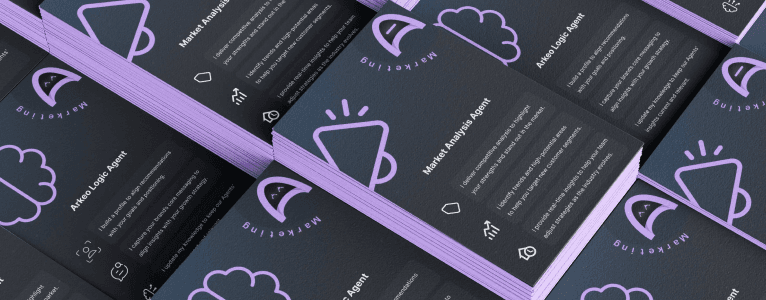
Three AI agents went dark. We brought them back in three months.
Read the case study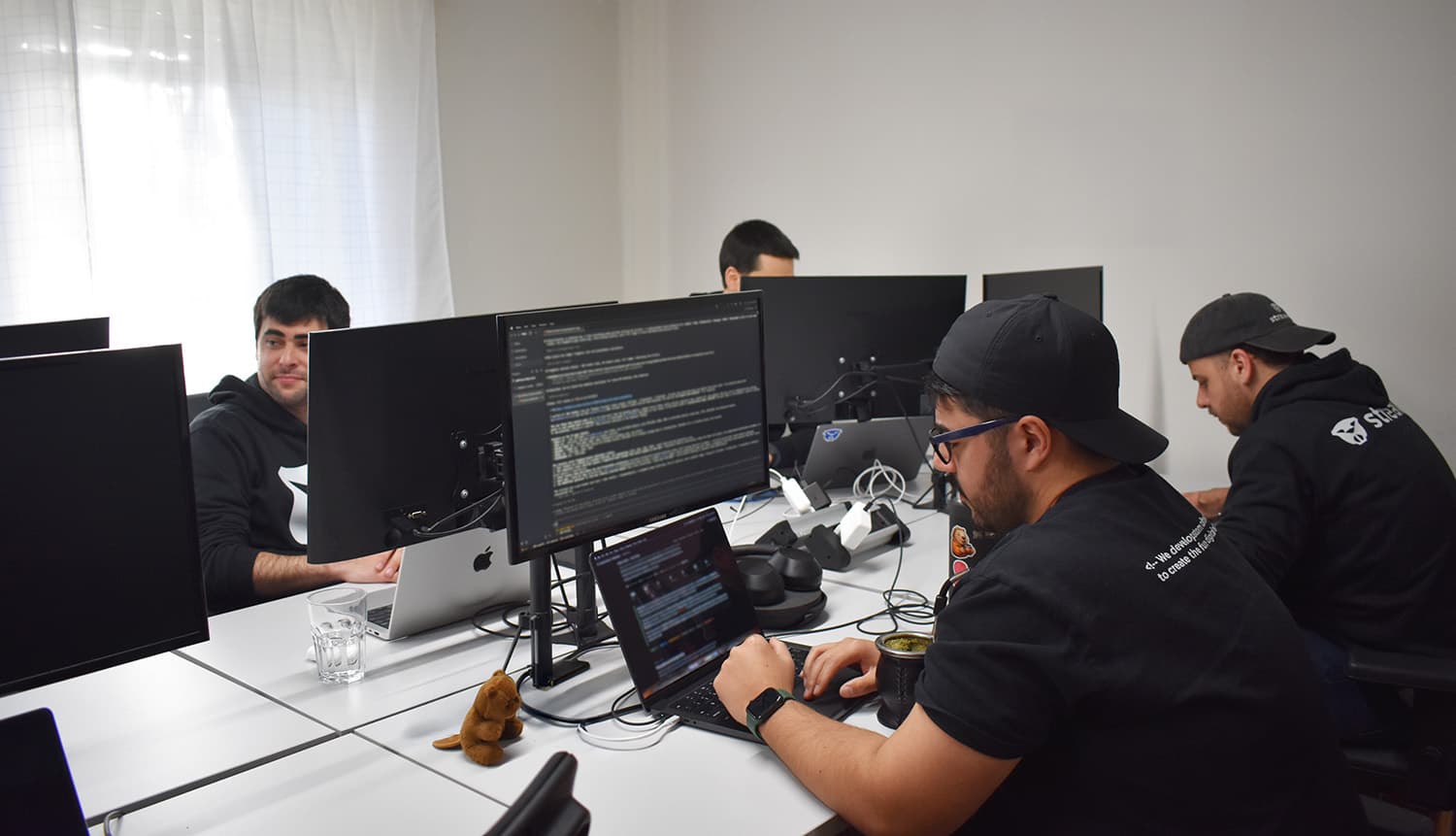
Staff augmentation adds hours; Team Expansion adds a team. Why Streaver builds around shared knowledge, guide-not-bottleneck leadership, and people who propose rather than just execute.
A curated, non-ranked guide to 15 Uruguay-founded startups and scale-ups across fintech, marketplaces, logistics, biotech, and software quality — showing how Uruguay's tech ecosystem keeps punching above its weight.
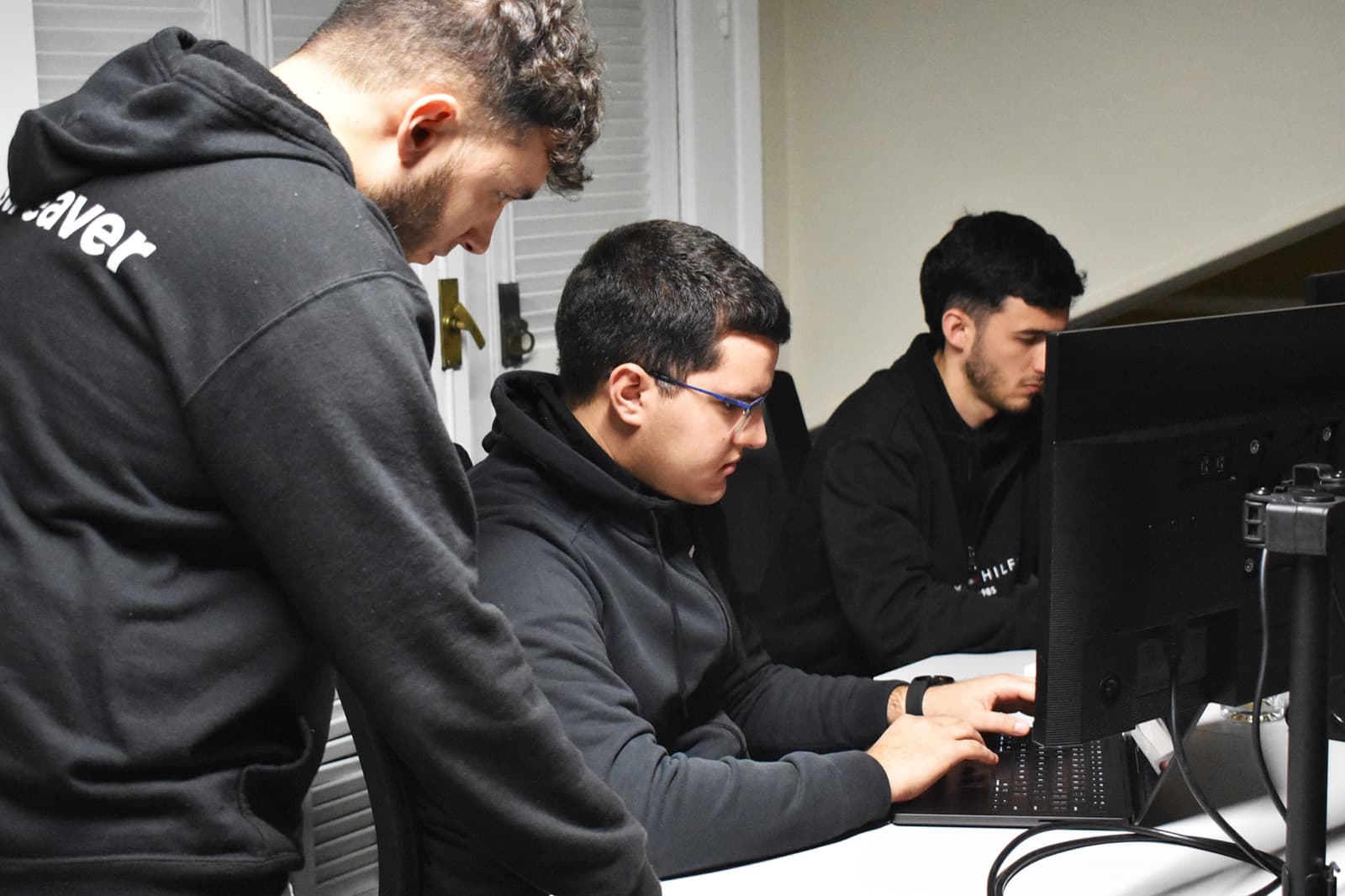
Why we work without project managers: aligning multidisciplinary A-Teams directly with the mission — as we did building Manka for Fundación ADHA — produces faster cycles, deeper ownership, and better AI products.
Streaver embeds senior product teams inside companies building AI-native software, from whiteboard to live customers.
Talk to us