Podcast
Swisspreneur
570+ podcast episodes turned into instant, cited answers
Read the case studyStreaver took Supreme Golf's Kiro prototypes into production and changed how they build software: vibe coding with guardrails, on an AI stack built on Claude.
Ryan Ewers, CEO and founder of Supreme Golf, on the partnership, the new way of building software, and why he came back.
Supreme Golf operates a tee-time marketplace (aggregating fragmented inventory across thousands of courses and connecting golfers to bookings) and a B2B operations platform that helps course owners run their business. Two product lines, two go-to-market motions, one company. Both built atop a domain that is famously, structurally, full of edge cases: dynamic pricing, weather closures, leagues, tournaments, member tiers, walk-ons, no-shows.
By late 2025, Supreme Golf had a problem that's common at year fifteen: a working business, an ambitious product roadmap, and a tech-debt drag that made every new feature slower than the last. They also had something else: a handful of experimental tools their CEO and operations team had built themselves in Kiro, AWS's agentic IDE. The prototypes worked, and they captured intent better than any specification document had. None of them were production-grade.
They needed a team that could do two things at once: modernise the foundation and productise the prototypes, without slowing the marketplace business. They called Streaver.
Streaver and Supreme Golf have a longer history than most. We were Supreme Golf's engineering partner from 2014 to 2021. In fact, they were our first customer, ever. The original partnership built the marketplace that took Supreme Golf from idea to scale.
In 2021, leadership changes on both sides led the companies to pause the engagement. We don't hide this part. It happens; it's honest; what matters is what came after.
In January 2026, Ryan reached out. Not because we sold him on anything (we hadn't spoken in years) but because he'd been evaluating teams to take Supreme Golf into its next chapter, and the team he kept comparing every shortlist to was the one he'd originally hired. The reference checks, in his words, went both directions: he reviewed us, and we reviewed his new leadership team.
Streaver's very first customer. Together we built the original marketplace and operations stack that scaled Supreme Golf from a concept in Dallas to a national tee-time aggregator across the US.
Leadership transitions on both sides led the companies to part ways. The work was strong; the moment wasn't right. We stayed in touch with the team. We didn't lobby for a return.
Five years later, Ryan reopened the door. The brief was bigger this time: modernise the stack, take the Kiro prototypes into production, and rebuild the way the team builds software, together. We said yes inside a week.
We’ve worked with a lot of different teams since 2011. No team is more progressive in accepting the new technology and leaning in to it than Streaver. That’s why this partnership works so well. We want to be cutting edge with our technology, and so does Streaver.
Most agency case studies describe a process that hasn't materially changed since 2018: discovery, specification, design, sprint, deliver. We're not going to dress that up.
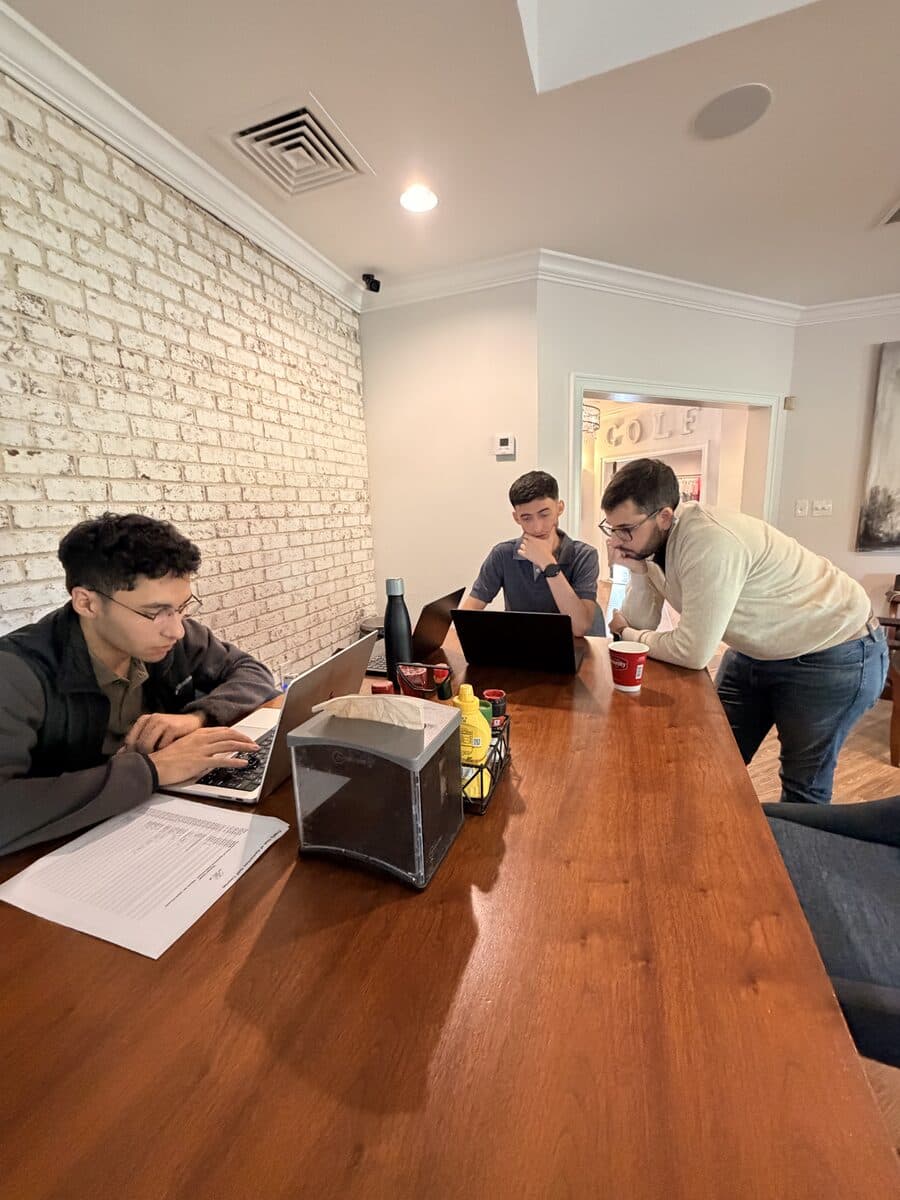
What we're doing with Supreme Golf is a genuine departure. Ryan, a non-technical CEO, sits at the keyboard alongside our engineers. Claude does the typing. Our team designs the guardrails (the architectural decisions, the production gates, the review patterns) that turn fast prototyping into shippable software.
The result is a development loop that compresses what used to take a week into an afternoon, and what used to require a translator (PM → engineer) into a conversation.
This isn't prompt engineering. It's a working model that requires three things to exist at the same time: senior engineers who know what good production code looks like, a model that can write the bulk of it, and a workflow that lets a non-technical founder participate in the build without breaking it. The section after this one is about handing that model over.
Ryan and his ops team use Claude to build prototypes that capture intent better than any spec doc ever could. We take those prototypes and turn them into production software: testable, observable, scalable. Spec, design and engineering happen in one conversation, not three handoffs.
Founder-led prototypesBefore we let anyone vibe-code into the codebase, we put rails in: deployment gates, CI checks, test scaffolding, secret hygiene, the Claude project conventions the repo carries, branch protections. The guardrails make speed safe. Without them, 'fast' is a euphemism for 'fragile.'
Safety before speedWe don't take requirements away to build in private and present in a sprint review. We build live, in shared sessions, with Ryan and the operations team in the room. Edge cases surface in the conversation, not in QA two weeks later.
In-session iterationAI tools amplify whoever is using them: junior engineers into shipping subtly wrong code at scale, senior engineers into shipping correct code at unprecedented pace. So this engagement is senior-led: senior engineers own the architecture and the guardrails, and every line ships under senior review.
Senior-led teamSupreme Golf didn't come to us for an introduction to AI. They came with proof they had already started: working prototypes Ryan and the operations team had built themselves in Kiro, AWS's agentic IDE. The prototypes were good. They captured intent in a way no specification document ever had. They were also, by any honest reading, not production software.
The obvious job was to take them into production. We did that. The less obvious job, the one that turned out to matter more, was what came next: across the engagement we moved Supreme Golf's whole way of building software onto Claude, and then taught them to run it without us in the room.
It started with Claude Code in our engineers' hands and Ryan watching. It has arrived at their own team shipping alongside ours, with Streaver as engineering team, reviewers and advisors, rather than as the only people who can deploy.
This is the part of the engagement we are proudest of, and the part most agency case studies cannot write, because the incentive runs the other way. A client who can build without you is a client who can leave. We read it the other way around: a client who can build with you goes considerably further than one who can only wait for you.
Ryan and the operations team had already built working prototypes in Kiro. No tests, no observability, no deployment story, but they encoded the domain better than a spec ever could. We treated them as the requirements document, not as code to salvage.
Kiro · where they startedWe introduced the team to Claude and rebuilt the workflow around Claude Code, but we ran it ourselves first, behind the guardrails in Figure 1. Nobody learns a new way of working from a deck. They learn it by watching a change they asked for get written, reviewed and deployed the same afternoon.
The introductionThen we moved the keyboard. Ryan and the ops team work in claude.ai to turn what is in their heads into something concrete; our engineers pair with them in Claude Code to turn that into shipped software. The coaching was continuous and in context (in the session, on the real codebase, against the real deploy gates), not a workshop with a certificate at the end.
Coaching, not trainingThey stood it up themselves and staffed it. Their people build on the conventions, skills and guardrails we established together; Streaver stays on as their engineering team, their reviewers and their advisors on architecture. Supreme Golf ships their own product, on their own terms.
Where they are nowA workflow you can hand over has to be written down somewhere. What we transferred wasn't a habit or a folder of clever prompts. It was a set of artifacts, kept in the repository, that make Claude behave the same way for a non-technical founder in Dallas as it does for a senior engineer in Montevideo. Claude orchestrates them; the team maintains them.
The tooling here matters because it's the multiplier. Same engineers, same hours, with this toolchain produce something close to an order of magnitude more shippable code than they did three years ago. Claude is the spine of it: the rest of the list is honest about what else is in the room. Below is the actual stack, not aspirational, not generic. The exact tools we use, every day, with Supreme Golf.
What this product would have cost to build three years ago, versus what it cost to build with Streaver's AI-augmented methodology in 2026. Same scope. Same quality bar. Same production environment.
Five months in, here's what the engagement has produced. Where a baseline exists, it's shown. Where it doesn't, the figure is the absolute outcome.
Comparable scope to a 2023-era build, delivered at one-eighth the cost. Driven by AI-augmented velocity, a senior-led team, and live-iteration cadence that eliminates rework.
From whiteboard to two paying golf courses operating live on the platform. Pilot data is informing every subsequent rollout.
The current trajectory and architectural choices are set up for a 100× rollout inside a year, with no major re-platforming required.
Continuous deployment, with preview environments per pull request and live in-session review with the CEO and operations team.
Supreme Golf arrived with prototypes and no production workflow. Their own people now ship on the conventions, skills and guardrails we built together, with Streaver as engineering team and reviewers, not as the only ones who can deploy.
Ryan participates directly in build sessions, with guardrails preventing accidental damage. The product surface reflects the founder's intent without translation loss.
Streaver took us from a concept to a working prototype to going into production in an amount of time that is almost unbelievable. The pace at which we’ve moved in the last six months is beyond what I thought we could do, and we’ve built a product that is rich in feature set, in live production.
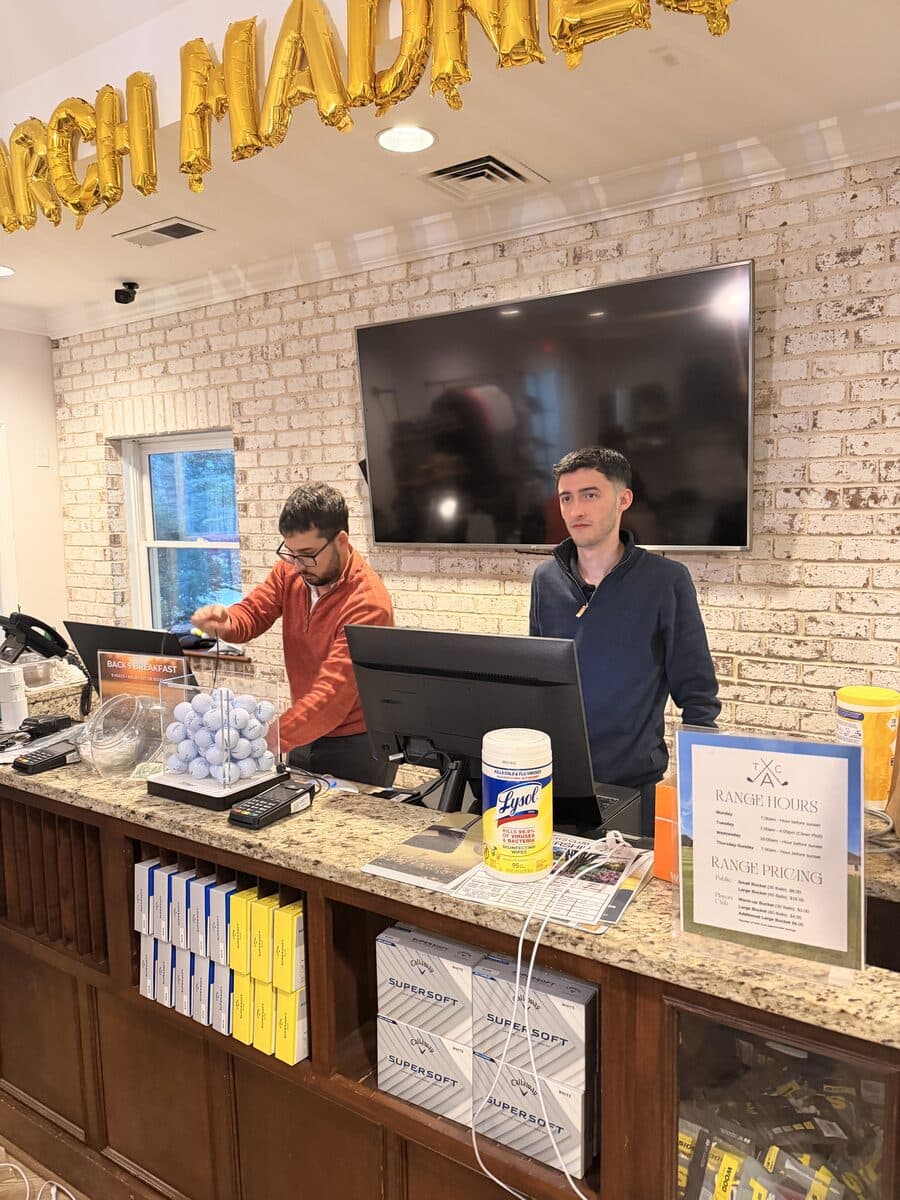
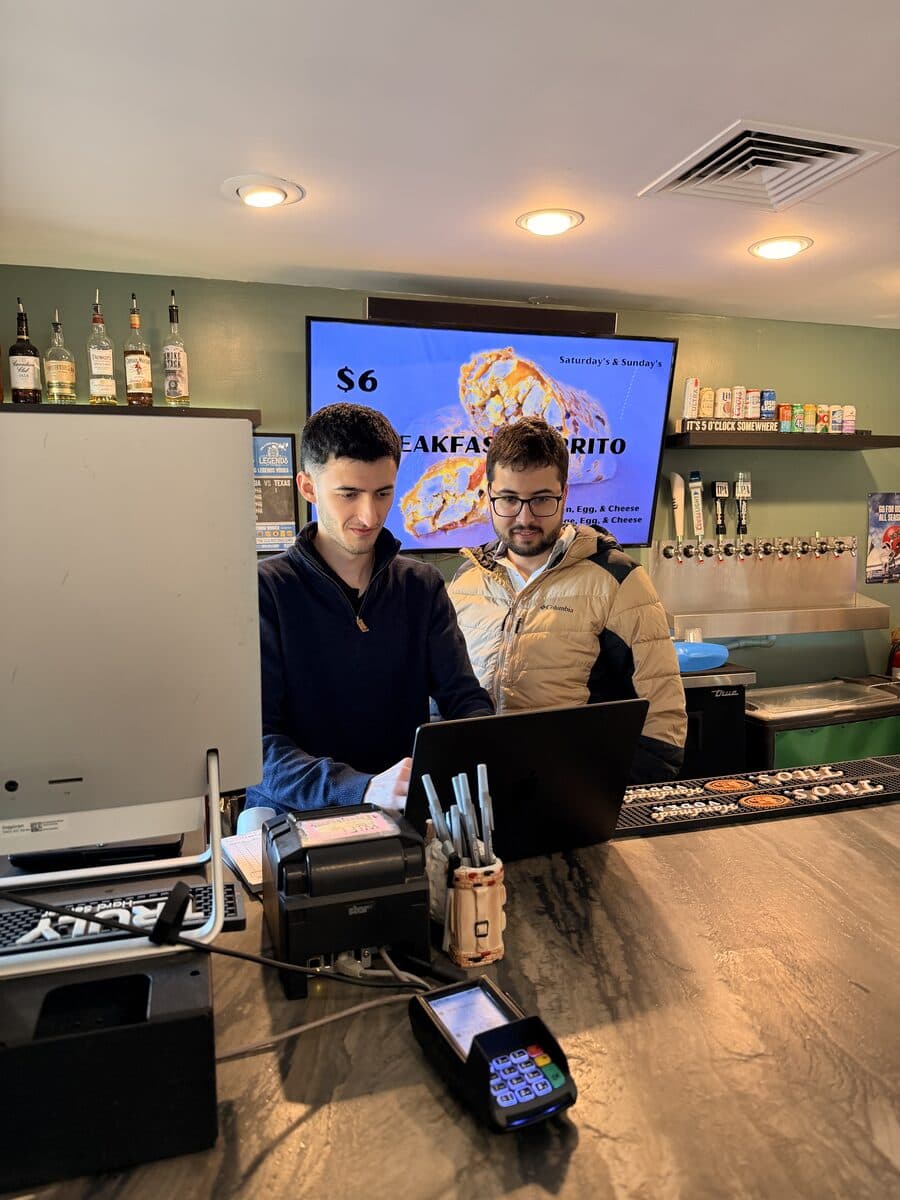
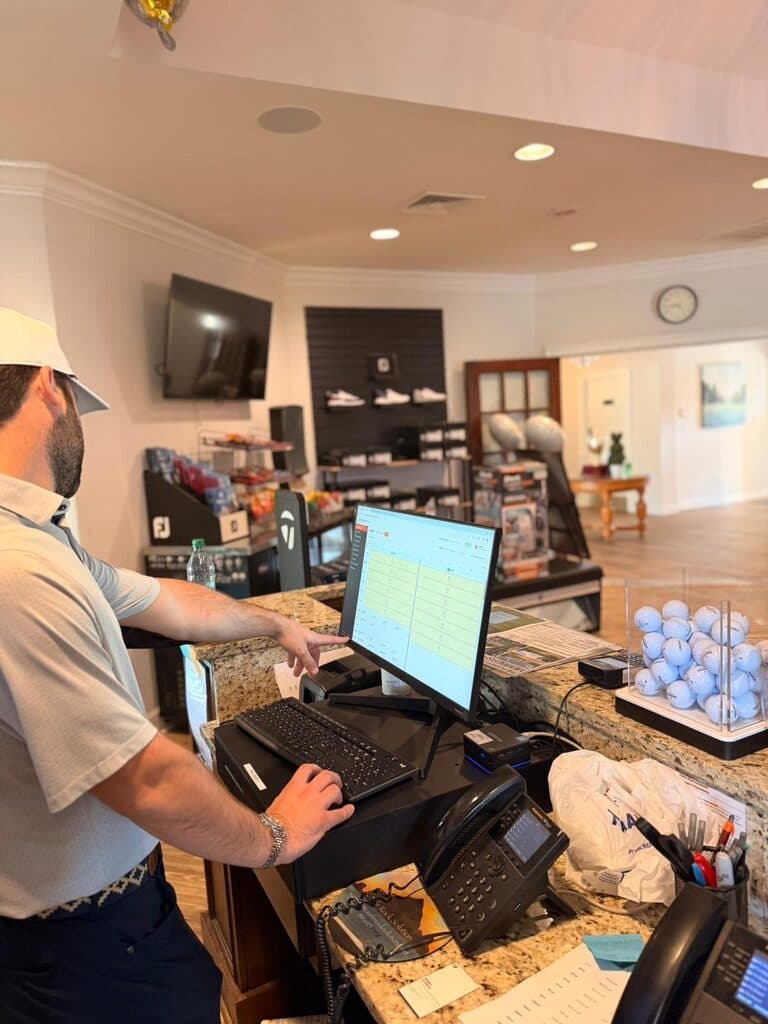
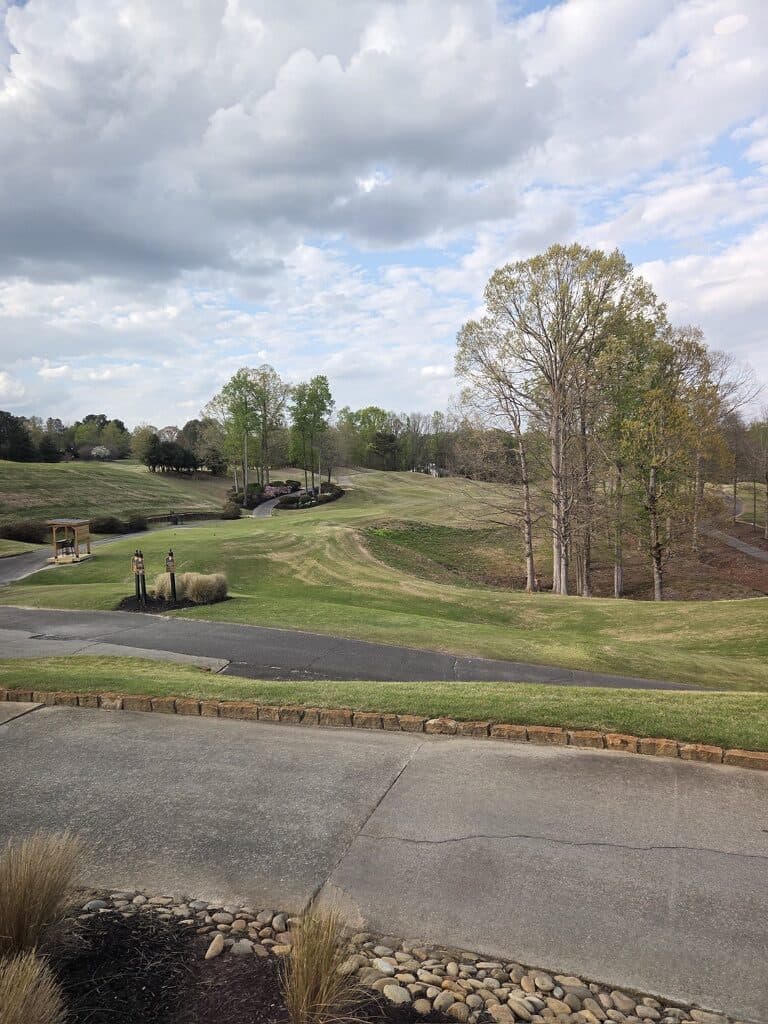
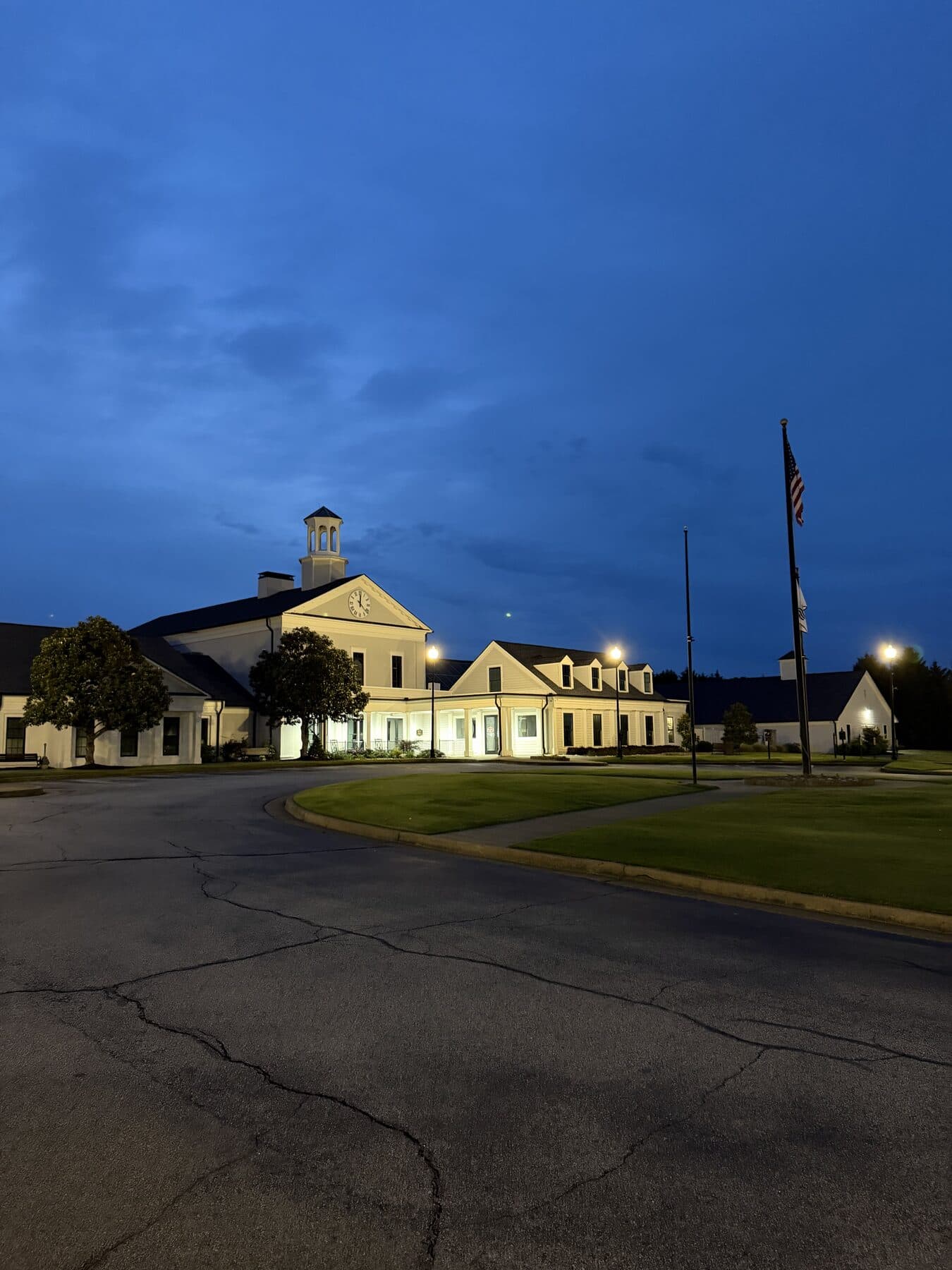
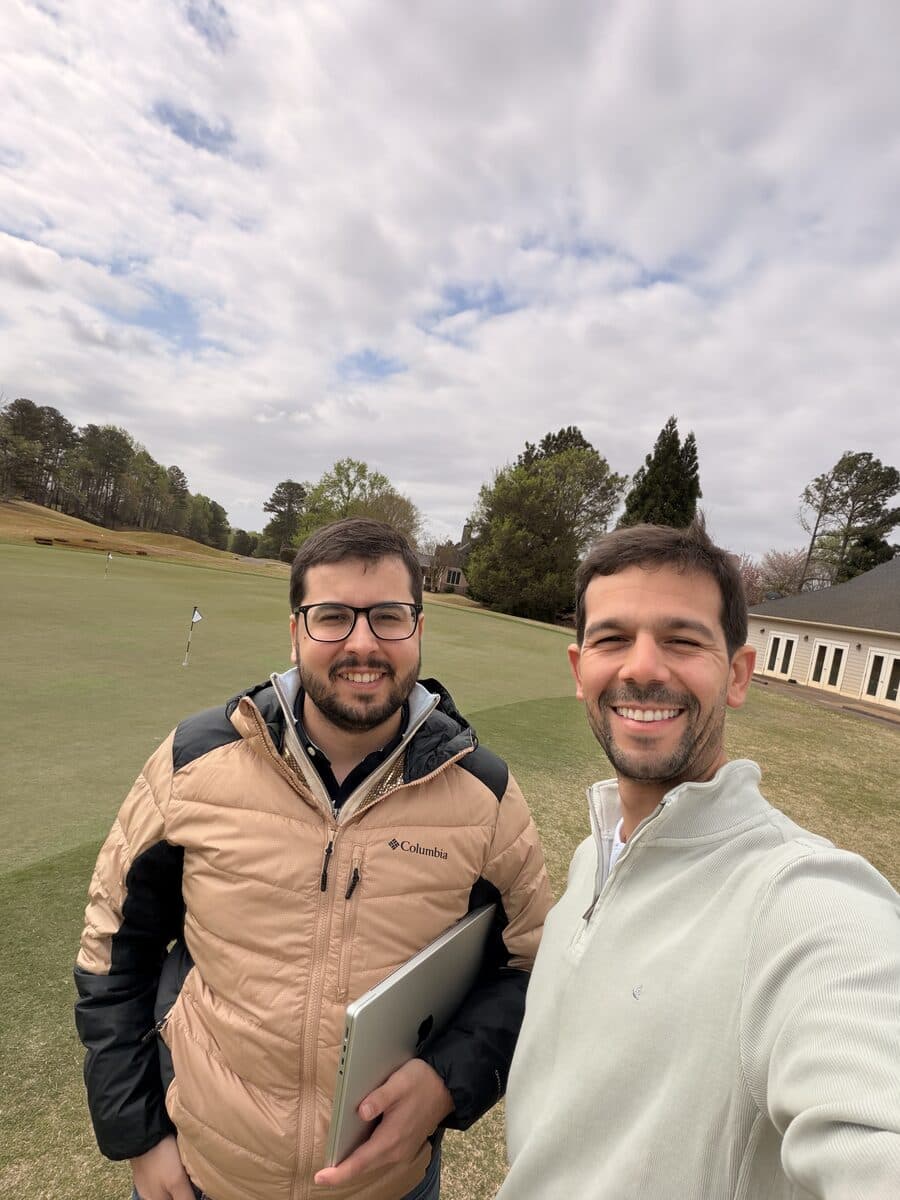
Two courses went live on the new platform this spring, and both times, the team got on a plane to Atlanta. Not to present slides, but to stand behind the pro-shop counter while the first real tee times, range balls and pretzels rang up on software we’d shipped that same week.
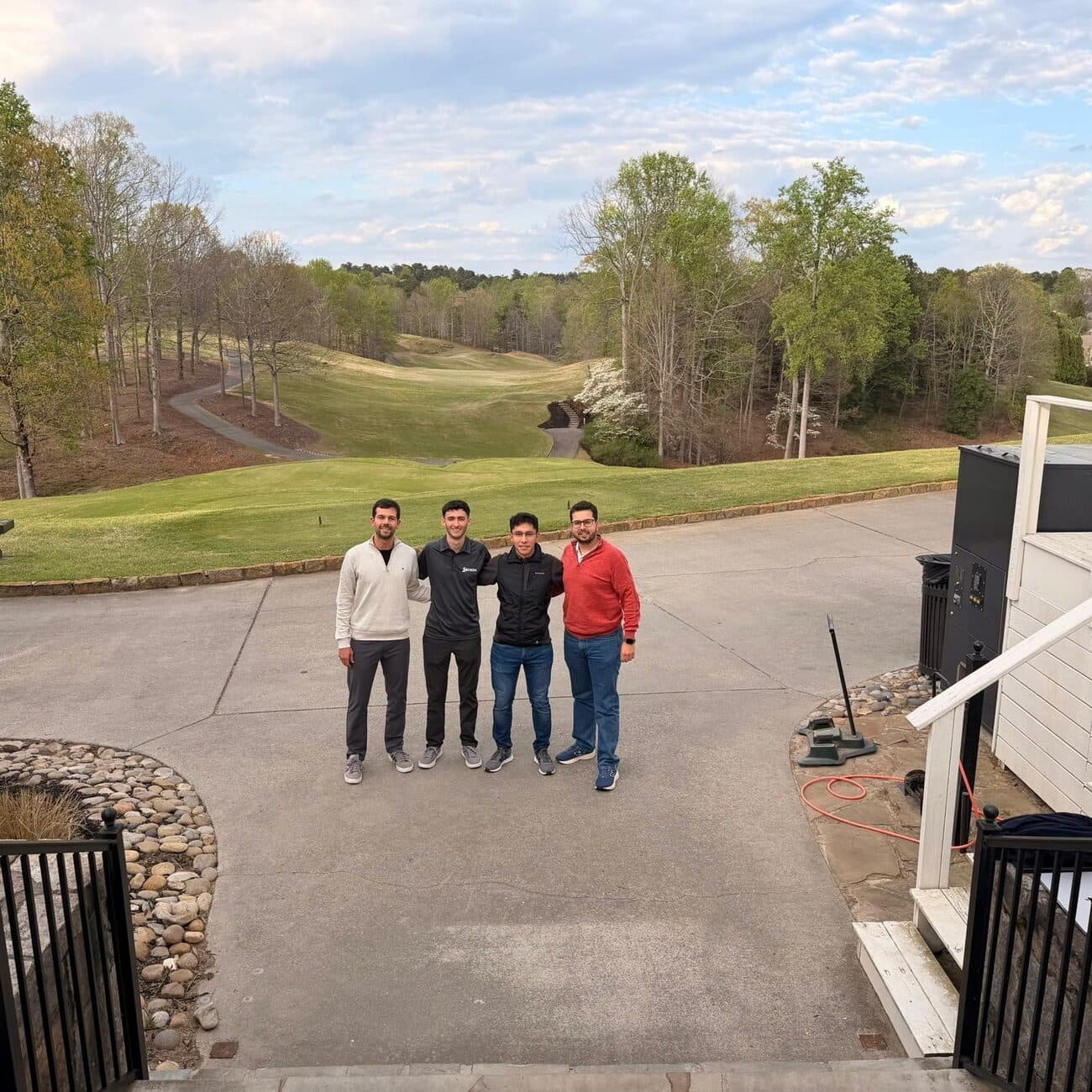
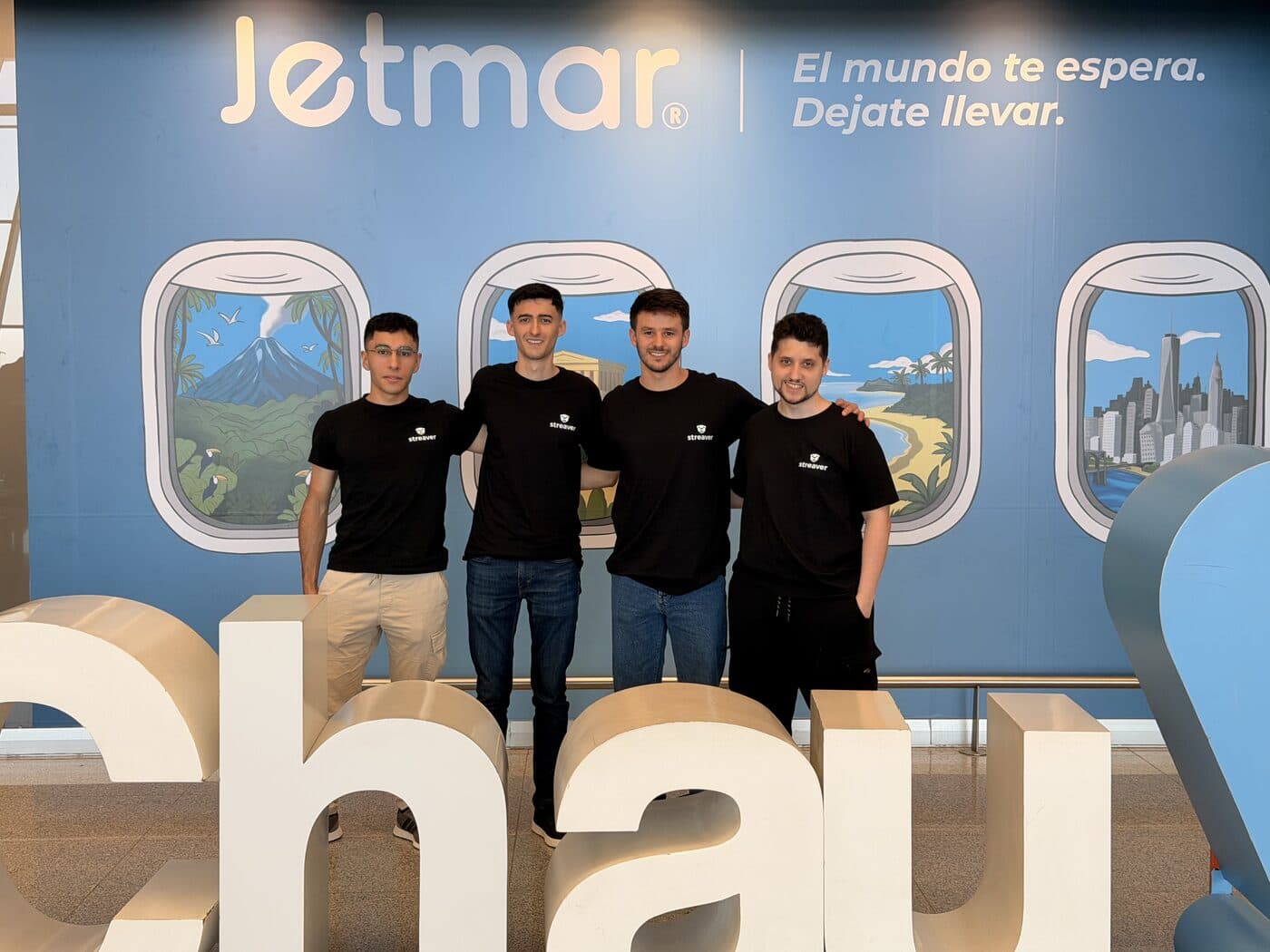
We don’t deliver code from a distance. When a partner hits a milestone this big, we pack our bags and get in the room.
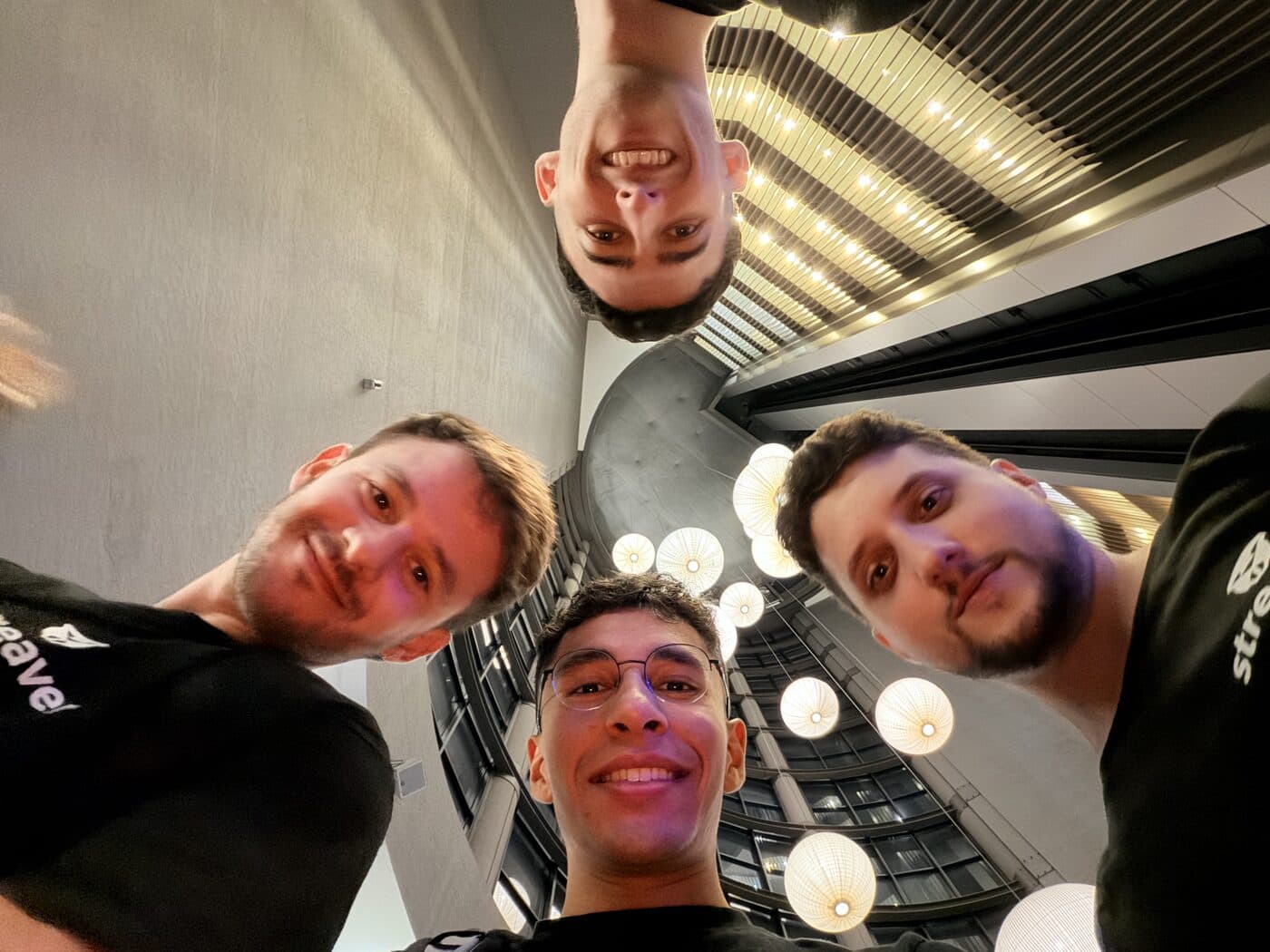


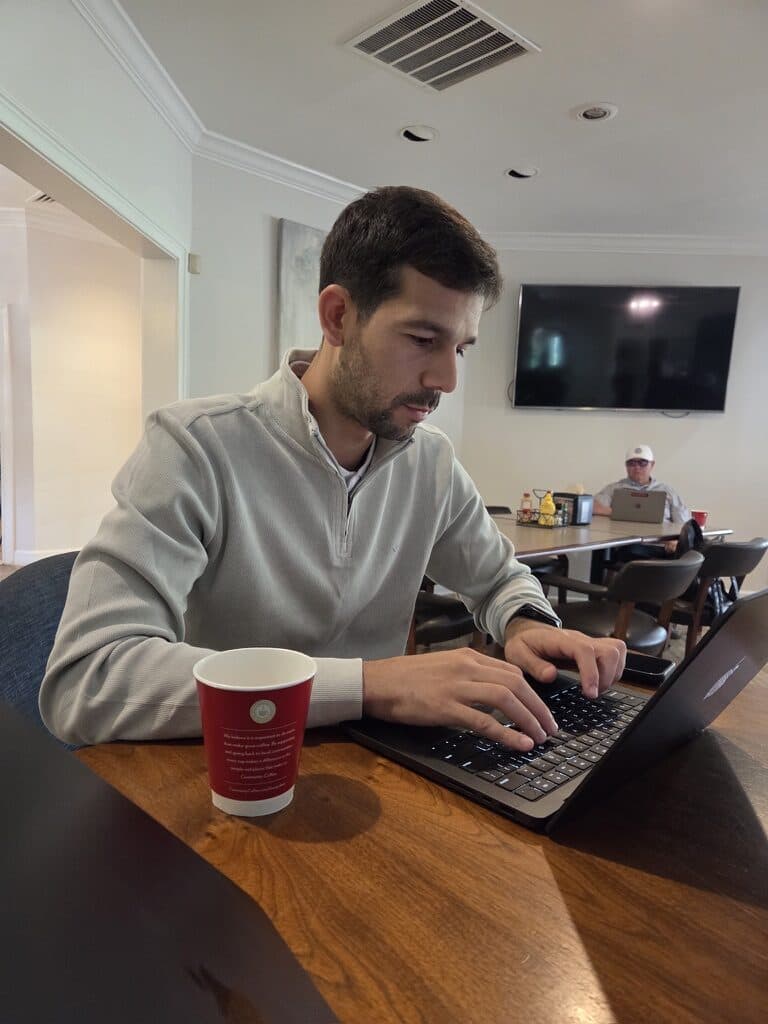
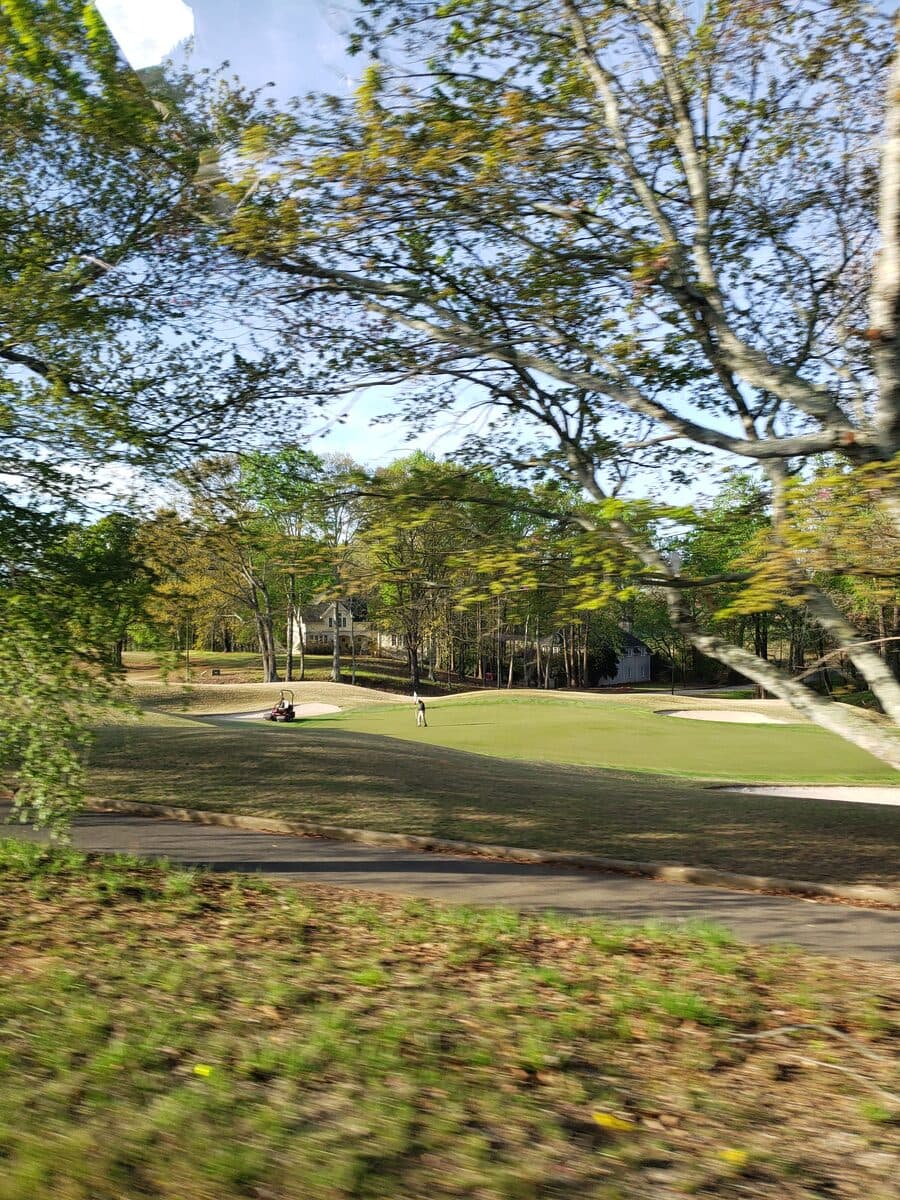
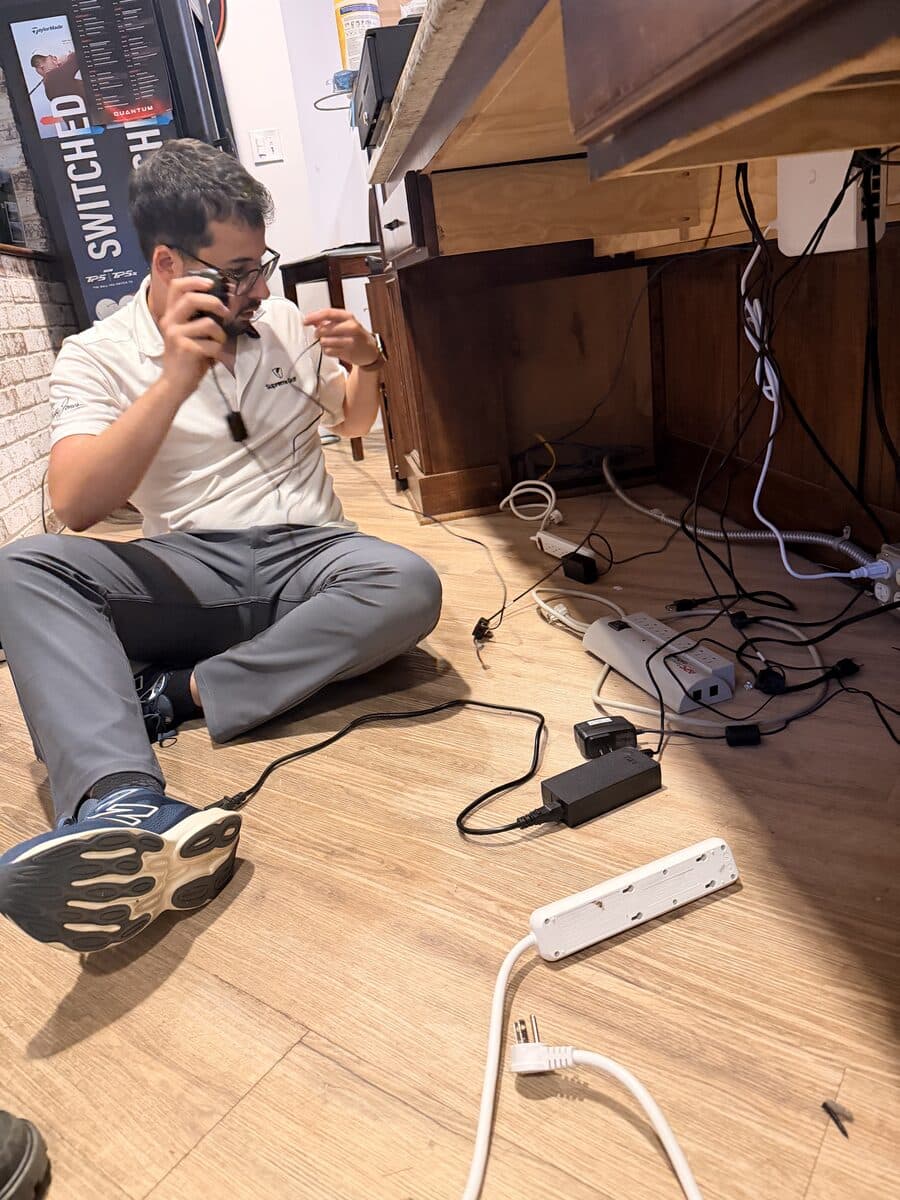
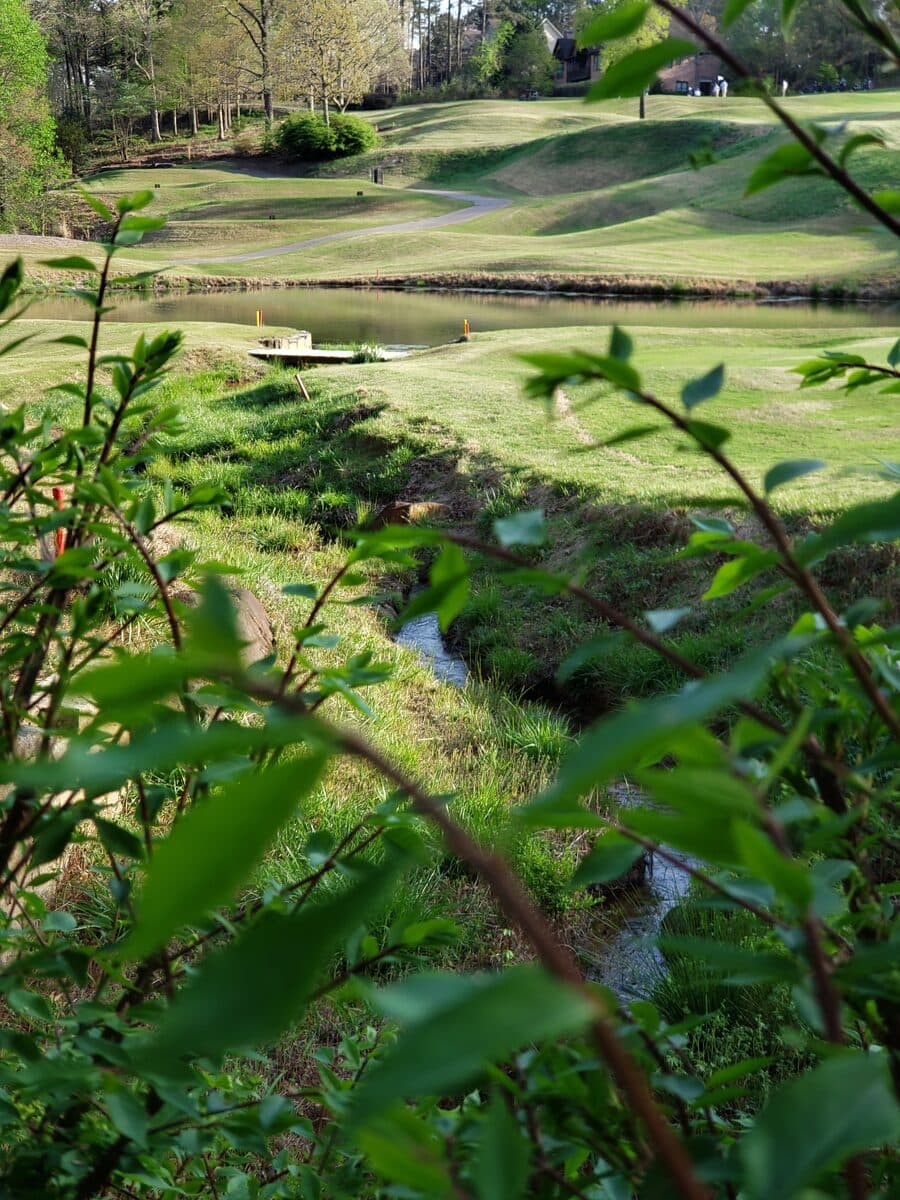
Ryan's words on this in the testimonial: “Streaver has become such a key asset because they recruit very, very well. They only recruit the top people. They make sure that the people they embed in our team are going to be a culture fit with Supreme Golf.” We name and stand behind the team that has shipped this work.
Coaching and upskilling the team while consulting on performance and best practices, and co-architecting an AI-powered dynamic pricing solution.
More from Tala on the blogDaily live build sessions with Ryan and the Supreme Golf operations team. Continuous deployment to staging; production deploys 3–5 times per day. Weekly business review with leadership.
Single shared Slack workspace. Linear for engineering. Loom for async walkthroughs. Supreme Golf has full visibility into every channel and repository.
Monthly retainer with a committed capacity. No timesheets. Pricing terms confirmed privately on signing.
All IP belongs to Supreme Golf. Access reviews monthly. Two engineers hold the credentials they need; no shared accounts.
The 12-month target is two hundred golf courses live on the new operations platform. The work that gets us there has three threads.
The first two courses were onboarded with white-glove support. Two hundred can't be. The next quarter is about distilling the onboarding playbook into a self-serve flow that captures 80% of the cases without a Streaver engineer in the room.
Predictive demand forecasting, dynamic pricing recommendations, anomaly detection on bookings. The same AI methodology that's building the product is being trained on the product's domain.
Tournament management. Member management. Pro-shop integration. The platform was designed for these from day one; now we ship them.
570+ podcast episodes turned into instant, cited answers
Read the case study
Five tools became one platform for an entire robotics ecosystem
Read the case study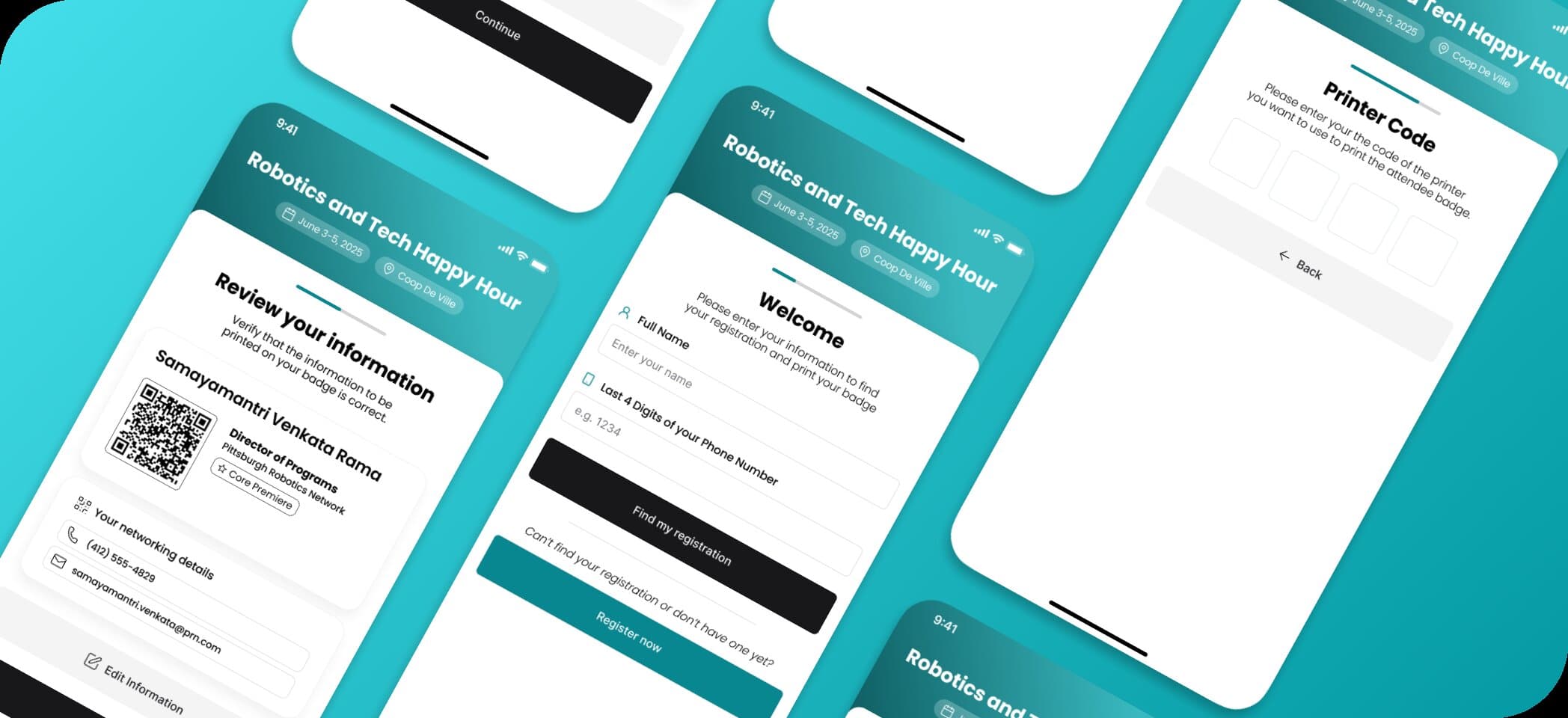
Check-in 80% faster · 30+ staff hours back every event
Read the case study
Vercel Ship 2026 is on October 15 at the Palace of Fine Arts, San Francisco. The date, speakers, how to watch online, and why Streaver will be there.

How a developer automated his daily planning with a scheduled AI agent: no code, just a document, a schedule and one prompt. Rules, examples and costs.
Devin will sell you an AI software engineer. Nobody mentions that you also just became its engineering manager. An honest comparison of buying the AI tool vs. renting the outcome — and which deal your company actually needs.
Streaver embeds senior product teams inside companies building modern, AI-augmented software, at a fraction of traditional cost, at a multiple of traditional pace. Same engineers, week one to week one hundred.
 Let’s talk with Larry